

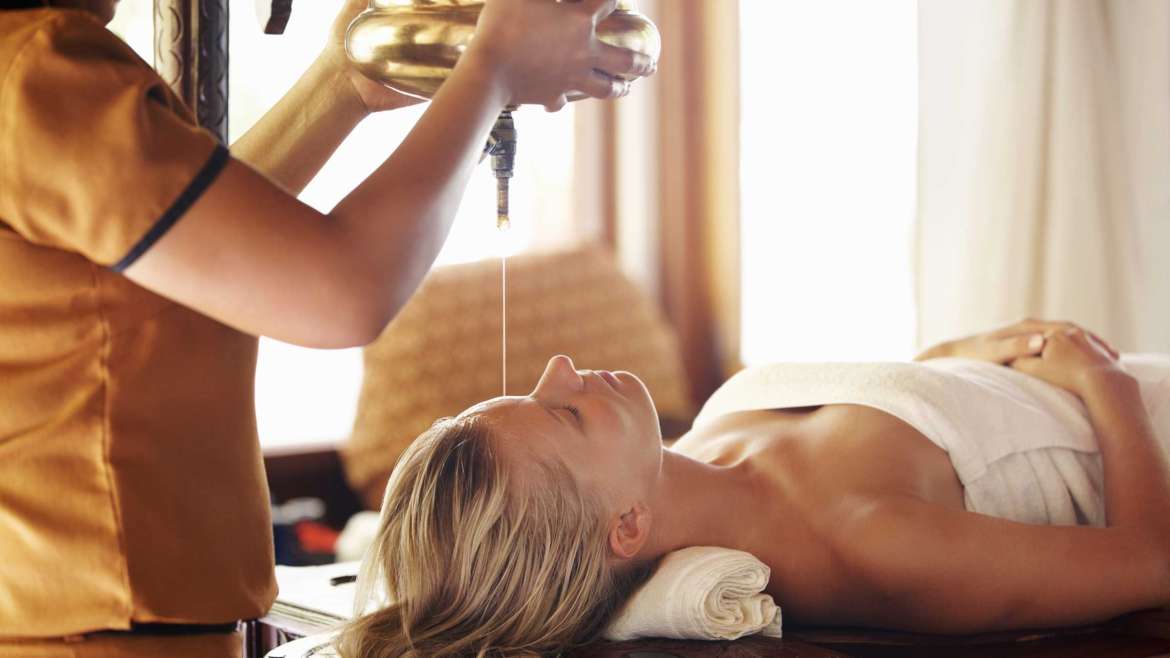
Ayurveda — the traditional Indian system of medicine dating back over 3000 years — has experienced a significant revival in Western wellness culture. Oil pulling, dry brushing, turmeric masks, ashwagandha supplementation, and abhyanga self-massage have moved from ancient texts into mainstream beauty routines and supplement aisles.
The wellness industry’s relationship with Ayurveda ranges from genuine respect for a sophisticated traditional system to opportunistic marketing of exotic-sounding practices with little evidence behind them. Separating the two requires looking at what modern research actually says about specific practices — not what tradition claims or what marketing implies.
Here is an honest assessment of the most widely adopted Ayurvedic beauty practices and what the science shows.
Turmeric — The Most Researched Ayurvedic Beauty Ingredient
Turmeric has been used in Ayurvedic skincare for millennia — applied as a paste for brightening, wound healing, and anti-inflammatory purposes. It is also one of the most extensively researched plant compounds in modern pharmacology.
The active compound curcumin has well-documented anti-inflammatory, antioxidant, and antimicrobial properties. As covered in our article on Asian beauty treatments, topical curcumin shows measurable improvements in inflammatory skin conditions, hyperpigmentation, and wound healing in clinical research.
The limitations are also well-established — poor bioavailability from raw kitchen turmeric, staining, and inconsistent curcumin concentration in unformulated products. Properly formulated topical products with standardised curcumin extract deliver significantly more reliable results than DIY pastes.
For internal use — consumed as a supplement or in food — curcumin has documented anti-inflammatory effects that benefit skin indirectly through reduced systemic inflammation. Bioavailability is significantly improved by combining with piperine — the active compound in black pepper — which increases curcumin absorption by up to 2000 percent.
Verdict: Strongly supported by modern research. Use properly formulated products topically. Combine with black pepper for internal use.
Abhyanga — Ayurvedic Self-Massage with Warm Oil
Abhyanga is a traditional Ayurvedic practice involving self-massage with warm oil — typically sesame, coconut, or herb-infused oils — applied to the entire body before bathing. It is recommended in Ayurvedic texts for improving circulation, nourishing skin, calming the nervous system, and supporting lymphatic drainage.
Modern research on abhyanga is limited but what exists is reasonably consistent with these claims. A study published in the Journal of Alternative and Complementary Medicine found that self-administered Ayurvedic oil massage produced significant reductions in anxiety, heart rate, and blood pressure compared to a resting control — consistent with the parasympathetic activation that Ayurveda attributes to the practice.
The skin benefits of regular oil massage are more directly supported by research on massage and skin health generally — improved microcirculation, enhanced barrier function through oil application, and lymphatic stimulation that reduces fluid retention. The warm oil component specifically has evidence for improving skin hydration and barrier integrity in dry skin conditions.
The choice of oil matters — sesame oil, the traditional Ayurvedic recommendation, has moderate comedogenicity and antimicrobial properties from sesamol. For acne-prone skin a lower-comedogenicity oil such as jojoba or sunflower is more appropriate.
Verdict: Legitimate benefits for circulation, stress reduction, and skin hydration. Well-supported for dry skin and stress-reactive conditions. Adjust oil choice for skin type.
Oil Pulling — Sesame or Coconut Oil Mouth Rinsing
Oil pulling involves swishing a tablespoon of oil — traditionally sesame, now frequently coconut — around the mouth for 10 to 20 minutes before spitting it out. Ayurvedic texts claim it whitens teeth, reduces bad breath, prevents cavities, and removes toxins from the body.
The systemic detoxification claims — toxins being pulled from the body through the oral mucosa — have no credible scientific basis and should be dismissed.
The oral health claims are more interesting. Research on oil pulling is limited and methodologically inconsistent but several small studies suggest genuine oral health benefits. A study published in the Journal of Indian Society of Pedodontics and Preventive Dentistry found that oil pulling was as effective as chlorhexidine mouthwash at reducing Streptococcus mutans — the primary bacteria responsible for tooth decay — in adolescents.
The mechanism appears to involve the mechanical disruption of bacterial biofilm through the pulling action rather than any special property of the oil itself. The antibacterial properties of lauric acid in coconut oil may provide additional benefit.
The whitening claims are not supported by research and the 20-minute duration recommended in traditional practice exceeds what most studies have tested.
Verdict: Plausible oral health benefits for bacterial reduction and breath freshness. No evidence for systemic detoxification or significant whitening. A useful adjunct to regular oral hygiene rather than a replacement for it.
Ashwagandha — The Most Evidence-Backed Ayurvedic Adaptogen
Ashwagandha — Withania somnifera — is one of the most important herbs in Ayurvedic medicine, used for stress resilience, energy, reproductive health, and cognitive function. It is also one of the most extensively researched adaptogens in modern pharmacology.
As covered in our adrenal fatigue article, ashwagandha has the strongest evidence base of any adaptogenic herb — multiple randomised controlled trials demonstrating significant reductions in cortisol, perceived stress, and fatigue with 300 to 600mg of root extract daily over eight to twelve weeks.
For beauty specifically the cortisol-reduction effect is directly relevant. Chronic cortisol elevation drives acne, impairs skin barrier function, accelerates collagen degradation, disrupts sleep — which is when most skin repair occurs — and promotes hair loss through telogen effluvium. Reducing chronic cortisol through ashwagandha supplementation addresses multiple beauty concerns through the stress-skin axis.
Additional research shows ashwagandha improves thyroid function in subclinical hypothyroidism — relevant given the significant skin and hair effects of thyroid dysfunction. It also has documented effects on testosterone levels in men and hormonal balance in women — both relevant to skin, hair, and body composition.
Verdict: Among the best-evidenced herbal supplements available. Directly relevant to stress-related skin and hair concerns. Use standardised root extract at evidence-supported doses.
Dry Brushing — Garshana
Garshana is an Ayurvedic dry massage technique using raw silk gloves or a dry brush on the body before bathing. Modern dry brushing uses a natural bristle brush. Claimed benefits include exfoliation, lymphatic drainage, improved circulation, and cellulite reduction.
The exfoliation benefit is straightforward and well-supported — mechanical exfoliation removes dead skin cells, improves skin texture, and enhances absorption of subsequent moisturisers. This is not controversial.
The lymphatic drainage claims have partial support — the gentle pressure and directional strokes toward lymph nodes are consistent with manual lymphatic drainage principles, though dry brushing is significantly less precise and effective than professional lymphatic massage.
The cellulite reduction claims are not supported by research. Cellulite is a structural condition involving the arrangement of fat cells and connective tissue beneath the skin. Topical mechanical stimulation does not change this structure meaningfully.
The circulation benefit — like massage generally — is real but temporary. Regular dry brushing maintains improved surface circulation without permanently changing the underlying microvascular structure.
Verdict: Legitimate exfoliation and modest circulation benefits. Lymphatic claims partially plausible. Cellulite claims unsupported. A useful addition to a body care routine with realistic expectations.
Neem — Antibacterial and Antifungal Powerhouse
Neem — Azadirachta indica — is one of the most widely used plants in Ayurvedic medicine with a particularly strong tradition in skin and oral health applications. Modern research has confirmed several of its traditional uses.
Neem contains nimbidin, nimbin, and other compounds with documented antibacterial, antifungal, and anti-inflammatory properties. A review published in the Journal of Ethnopharmacology confirmed significant antimicrobial activity against a broad spectrum of skin pathogens including Staphylococcus aureus, Candida albicans, and Propionibacterium acnes — the bacterium primarily responsible for acne.
For acne-prone skin neem has genuine evidence as a topical antimicrobial. It is significantly less irritating than benzoyl peroxide and does not produce the antibiotic resistance concerns associated with topical antibiotic treatments.
Neem oil has a strong, distinctive odour that limits its cosmetic application — diluted versions or neem extract in formulated products are more practical for regular use.
Verdict: Well-supported antibacterial and anti-inflammatory properties. Genuine evidence for acne and fungal skin conditions. Use diluted or in formulated products due to strong odour.
Triphala — The Ayurvedic Gut-Skin Intervention
Triphala is a combination of three fruits — amalaki, bibhitaki, and haritaki — that is one of the most commonly used formulations in Ayurvedic medicine. Its primary traditional application is digestive health and detoxification — but given the well-established gut-skin axis this is directly relevant to skin health.
Modern research has confirmed several relevant properties. Triphala has documented prebiotic effects — supporting the growth of beneficial gut bacteria — and antioxidant activity from the high vitamin C content of amalaki in particular. A study published in the Journal of Ethnopharmacology found significant antioxidant and anti-inflammatory activity in Triphala extracts comparable to several synthetic antioxidants.
The connection to skin health through gut microbiome modulation is indirect but plausible — improving gut bacterial diversity and reducing gut inflammation through Triphala supplementation addresses one of the primary drivers of inflammatory skin conditions.
Verdict: Plausible gut-skin axis benefits through prebiotic and antioxidant mechanisms. Evidence base developing. Most relevant for people with inflammatory skin conditions linked to poor gut health.
What Ayurveda Gets Broadly Right
Beyond specific ingredients and practices, Ayurveda embeds several principles that align strongly with modern research findings.
The whole-body approach: Ayurveda treats skin and beauty as expressions of internal health rather than isolated concerns to be addressed topically. Modern dermatology is increasingly reaching the same conclusion — the gut-skin axis, the stress-skin axis, the diet-skin connection are all consistent with the Ayurvedic principle that external appearance reflects internal state.
Seasonal and individual variation: Ayurveda emphasises that what works varies by individual constitution and season — a sophisticated recognition of biological individuality that modern nutrigenomics and personalised medicine are only beginning to formalise.
Oil as a foundation: The Ayurvedic emphasis on oil — both internally through diet and externally through skin application — aligns with modern understanding of the lipid barrier, the role of dietary fat in skin health, and the importance of oil-based cleansing for barrier preservation.
Daily ritual consistency: The Ayurvedic dinacharya — daily routine — emphasises consistent morning and evening practices performed regularly over time. This is entirely consistent with the modern research showing that consistency of skin care practice produces better outcomes than intermittent intensive treatment.
What Ayurveda Gets Wrong
Intellectual honesty requires acknowledging the aspects of Ayurvedic beauty practice that are not supported by evidence.
Detoxification claims: The concept of ama — toxic accumulation that requires removal through various purification practices — does not map onto any known physiological mechanism. The body has effective detoxification systems in the liver and kidneys. Claims that specific practices remove toxins from the body lack scientific basis.
Dosha-specific recommendations: The tridosha system — categorising people as vata, pitta, or kapha constitutional types and recommending practices accordingly — has no validated biological basis. While individual variation in response to interventions is real, it does not map onto Ayurvedic constitutional categories in ways that have been validated by research.
Heavy metal containing formulations: Some traditional Ayurvedic preparations — particularly certain rasayana formulations — contain heavy metals including lead, mercury, and arsenic in forms claimed to be detoxified through traditional processing. Multiple research analyses have found dangerous heavy metal concentrations in commercially available Ayurvedic products. This is a genuine safety concern that warrants caution when purchasing Ayurvedic supplements from non-regulated sources.
The Bottom Line
Ayurveda contains genuine wisdom that modern research is progressively validating — particularly in the areas of specific botanical ingredients, the gut-skin connection, stress and skin health, and the value of consistent daily practice.
The practices with the strongest modern evidence are turmeric, ashwagandha, neem for acne, abhyanga for stress and dry skin, and Triphala for gut health. Oil pulling has modest oral health evidence. Dry brushing has legitimate exfoliation benefits with overstated lymphatic claims.
The weakest areas are detoxification claims, dosha-based constitutional recommendations, and some traditional formulations with safety concerns around heavy metal content.
Approaching Ayurvedic beauty practice with the same evidence-based lens applied to any other health intervention — taking what is validated, questioning what is not, and ignoring what is disproven — produces a genuinely useful toolkit from a sophisticated ancient system.
This article is for informational purposes only. Always consult a qualified healthcare professional before beginning any new supplement or treatment protocol, particularly Ayurvedic formulations from unregulated sources.